

If you find yourself in a situation where you have been a victim of a road rage attack, you may be wondering, “Can you claim for a road rage attack?” You may be eligible for criminal injury compensation through the Criminal Injuries Compensation Authority (CICA) if you were injured in a deliberate act of violence. Road rage attacks can lead to physical injuries, emotional distress and financial burdens, making it important to understand your rights and the compensation options available to you.
In the aftermath of such an event, it is important to gather evidence and seek professional advice. You should document everything, from witness contact details to medical reports, as these may support your CICA application. By taking the right steps, you can provide evidence of the attack and the harm you suffered when seeking criminal injury compensation.
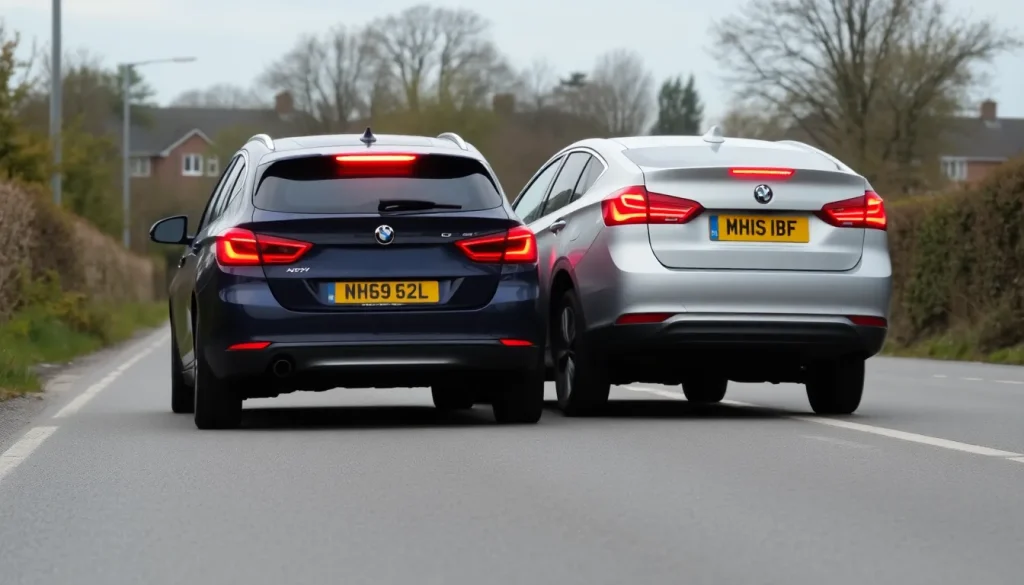
What Is Road Rage?
Road rage describes aggressive or violent behaviour displayed by drivers in traffic, often triggered by stressful situations or perceived mistakes by others. You might see this behaviour when a driver shouts, makes threatening gestures, or physically assaults someone after a minor road incident. Common examples include:
- Shouting insults or abuse through open windows after a close pass.
- Making violent threats following a road traffic collision.
- Physically lunging at someone at traffic lights or in stationary traffic.
These actions can escalate quickly, leading to physical injuries or severe psychological effects such as anxiety or post-traumatic stress disorder. Aggressive driving, such as tailgating or deliberately blocking another vehicle, may be part of the events leading up to an attack. Road rage incidents may amount to a violent crime if the other road user deliberately attacks you, potentially making you eligible for criminal injury compensation through the CICA.
Can You Claim Compensation For Road Rage?
Yes, you can claim compensation if you’re injured in a road rage attack. If another road user deliberately assaulted you, you could be eligible to pursue compensation through the CICA. The incident will need to have happened in England, Wales or Scotland and must have been reported to the police. You may also have the option of making a civil claim, depending on the circumstances.
Establishing Liability In Road Rage Incidents
To claim compensation for a road rage attack, you will generally need to show that you were injured as a result of a crime of violence. This differs from a civil claim, which focuses on establishing legal responsibility for the harm you suffered.
The Road Traffic Act 1988 distinguishes careless driving from dangerous driving, so conduct such as deliberately braking hard in front of you or swerving across your path may become important when showing how the collision occurred. If you pursue a civil claim, supporting evidence can help establish whether the other driver’s actions caused your injuries and whether you have grounds to seek compensation.
Types Of Compensation Available
Compensation for road rage incidents can cover:
- Pain, suffering and loss of quality of life.
- Psychological injuries such as anxiety or PTSD.
- Damage to belongings including clothing or mobile phones.
- Medical expenses such as physiotherapy or medication.
- Loss of income if you are unable to work after the incident.
Claims can also address home adaptations if you’re left with lasting disabilities. However, what you can claim depends on how you pursue compensation. CICA compensation covers qualifying injuries under a fixed tariff, with additional payments available for certain financial losses. Civil claims can cover a wider range of losses, including damaged belongings, provided they can be linked to the injury.
The Claims Process Explained
Navigating a claim after a road rage attack involves several defined steps. You’ll boost your prospects for compensation by understanding how to document evidence and navigate the legal process.
Gathering Evidence To Support Your Claim
Collect compelling evidence to support your road rage compensation claim. Useful evidence includes:
- Police reports detailing the incident.
- Eyewitness contact information, as this may allow a solicitor to obtain statements describing the other driver’s actions.
- CCTV or dashcam footage capturing aggressive behaviour.
- Medical reports documenting your injuries.
- Photographs of vehicle damage and visible injuries.
Each piece can help establish what happened, the nature of the attack and the injuries you suffered. The CICA may also obtain information from the police when assessing an application.
Dealing With Insurance Companies
If your vehicle was involved in a road rage incident, you should notify your insurer in accordance with your policy’s reporting requirements. When speaking with insurance companies:
- Provide clear accounts supported by evidence.
- Avoid speculation about fault and always stick to facts.
- Share documentation, like photographs or dashcam footage.
Challenges In Road Rage Claims
Claiming compensation for a road rage attack can be complex, with several legal and practical barriers to overcome. Understanding these challenges helps you prepare stronger claims and anticipate issues that commonly arise.
Proving Emotional And Physical Harm
Establishing emotional and physical harm after a road rage attack involves gathering substantial evidence. You may face difficulties such as:
- Demonstrating psychological trauma like anxiety or PTSD.
- Providing consistent medical records for injuries (e.g. head injuries or lacerations).
- Obtaining diagnosis records from a psychiatrist or clinical psychologist.
- Recording emotional impact through GP notes and counselling reports.
The CICA will consider the available evidence when deciding whether you meet eligibility requirements and whether your injury qualifies for an award.
Time Limits And Legal Restrictions
Strict time limits and legal restrictions apply to road rage compensation claims in the UK. Key points include:
- Most civil claims must start within three years from the date of the incident, as set by the Limitation Act 1980.
- If you apply to CICA after a road rage attack, you generally need to do so as soon as reasonably practicable and within two years of the crime.
- Extensions may be possible in certain cases, although different rules apply to CICA applications and civil claims.
Seeking advice promptly can help you establish which time limit applies and take the appropriate steps towards making a claim.
Is It Better To Let A Solicitor Handle My Claim?
Relying on an experienced solicitor often results in a more robust road rage compensation claim. Road rage cases introduce complex legal issues, including accurately documenting injuries like whiplash or psychological trauma, and gathering credible evidence.
Solicitors understand the steps needed to tighten your compensation claim, especially when applying to the Criminal Injuries Compensation Authority. You benefit from their ability to:
- Gather crucial evidence like police reports, witness statements, CCTV or dashcam footage, and expert medical assessments.
- Present your physical and psychological injuries according to legal standards, increasing your chances of a fair outcome.
- Identify eligible financial losses, including loss of earnings or special expenses, and gather supporting documentation.
- Navigate the different legal requirements and deadlines for CICA applications and civil claims.
You could manage a claim without legal help in straightforward cases, but if evidence is unclear, injuries are severe, or compensation should cover significant losses, a specialist solicitor helps streamline the process and avoids missed entitlements.
How To Claim Compensation For Road Rage
If you’ve been affected by a road rage attack, knowing your rights and the steps to take can make a real difference in your recovery and pursuit of justice. While the process may seem daunting, support is available to help you gather evidence and present your case effectively.
We’re here to help if you have decided to start a road rage attack claim. Therefore, why not contact our advisory team for free advice today?
Don’t hesitate to seek professional advice if you’re unsure about your next steps. With the right approach, you can secure the compensation you deserve and start moving forward with confidence.